ChatGPT, Not CheatGPT: Clear Guidelines for Honest Student AI Use
Dec 04, 2025
If you’re nervous about letting students use AI on assignments, you’re not alone. Many teachers and school leaders are asking the same question: How do we let students use powerful tools like ChatGPT without turning every assignment into a plagiarism risk?
The goal isn’t to ban AI; it’s to teach students how to use it transparently and responsibly. That starts with one mindset shift:
The Hack — Make AI Visible
Instead of trying to catch kids “cheating with AI,” design your classroom so AI use is out in the open. When students are required to show how they used AI, it becomes a learning tool instead of a secret shortcut.
Why This Works
Plagiarism thrives in the dark. When AI use is hidden, your only option is to play detective: spot the AI-sounding paragraph, run the plagiarism checker, have the awkward conversation.
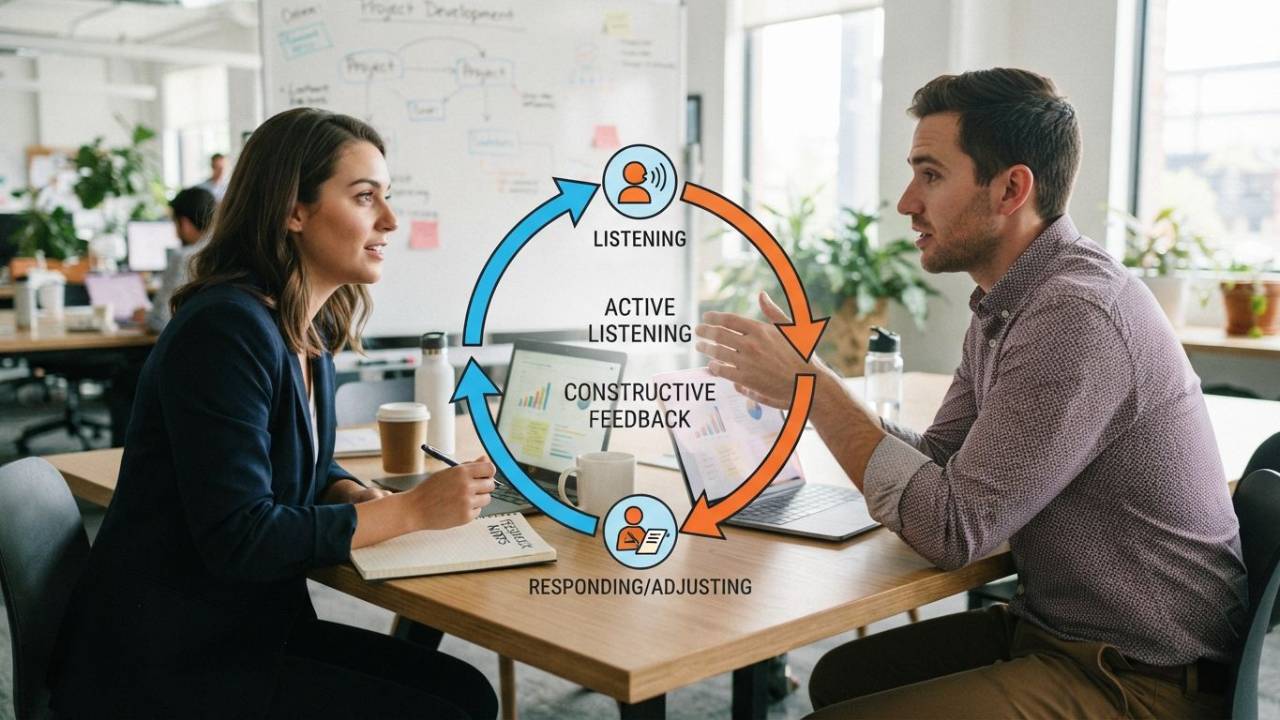
But when you make AI use part of the assignment, you change the question from “Did you cheat?” to “How did this tool shape your thinking?” That’s a better conversation for everyone — and it builds digital literacy, critical thinking, and honesty.
Turn AI into a Visible Process
Here are some simple shifts you can make at the classroom or school level:
1. Create a clear, student-friendly AI policy
Spell out what’s allowed (brainstorming, idea generation, revision suggestions, grammar support) and what isn’t (submitting AI output as your own, using AI to fake personal experiences, bypassing required drafts). Share it with students and families. Refer to it often.
2. Require an AI Use Log
Any time students use AI for an assignment, they document it. Nothing fancy — just 3–5 bullet points at the end of the work:
-
What tool they used
-
The prompt they gave
-
What AI produced
-
What they kept, changed, or rejected — and why
This single move is huge. It tells students: Using AI isn’t wrong. Hiding it is.
3. Ask for reflection, not just a final product
Add two quick prompts to written work or projects:
-
“AI helped me…”
-
“I disagreed with AI when…”
Now you’re not grading AI; you’re assessing how students make decisions with AI.
4. Teach simple AI citation
Students don’t need MLA for ChatGPT. A simple note works:
“I used ChatGPT on 12/4/25 to suggest topic sentences. I revised them to sound more like my own voice.”
Normalize this across classrooms so expectations are consistent.
5. Design “AI-resistant” tasks — but not AI-proof
You don’t have to design impossible-to-automate assignments. Just blend AI-friendly tasks (research, outlines, feedback) with AI-resistant elements:
-
Personal connection (“Tell a story about a time you…”)
-
Local context (school, neighborhood, community issues)
-
In-class checkpoints and drafts
-
Conferences or short oral explanations
AI can support parts of the work, but it can’t replace the student’s lived experience and in-class thinking.
What You Can Try Tomorrow
You don’t need a school-wide initiative to start. Try this with your next assignment:
-
Add an “AI Use” section at the end of the directions.
-
Model your own AI Use Log on the board: show a sample prompt, the AI response, and how you’d revise it.
-
Ask students to explain one way AI helped them — or one suggestion they chose not to use.
Variations & Inclusivity
To support diverse learners:
-
Offer sentence stems: “AI’s suggestion was…”, “I changed it because…”
-
Let students record short voice notes instead of writing logs.
-
Encourage multilingual learners to use AI for translation, plus a reflection: “This is what I meant to say…”
-
Provide visuals or checklists for when and how AI can be used.
Troubleshooting
-
“My students still copy–paste.”
Make the AI Use Log required for full credit. If there’s no log, the work is incomplete. -
“Some students rely on AI for everything.”
Make certain steps AI-free: first brainstorm by hand, first draft in class, or a quick oral defense of their work. -
“Leaders are worried about academic honesty.”
Share student AI logs and reflections in department or PLC meetings to show how you’re teaching responsible use, not ignoring it.
Quick Signs It’s Working
-
Students can explain how AI changed their thinking or improved their drafts.
-
You see more revision and fewer AI-sounding, generic papers.
-
Conversations shift from “Did you use AI?” to “How did you use AI?”
Resource

Learn more about AI Goes to School.
Main post image by Matheus Bertelli via Pexels