Building a Future-Ready School: 6 Pillars of Anti-Racism and Academic Excellence
Jan 19, 2026
Inclusive, affirming, and high-achieving—these are the hallmarks of a school where every student can truly thrive. As educators, these aren't just buzzwords; they are the fundamental aspirations that drive our work every single day.
However, we must be honest about the hurdles. Despite our best intentions, systemic racism continues to impact these ideals, creating persistent racial disparities in student outcomes. For example, national data from the Department of Education consistently shows that Black and Latino students are often disproportionately represented in disciplinary actions and underrepresented in gifted and talented programming.
How do we move beyond "believing racism is wrong" to actually dismantling these inequities? How do we uplift students to be their best selves while preparing them for a diverse, globalized world?
The answer lies in two commitments: First, doing what is best for all students. Second, building a foundation of anti-racism that looks both inward and outward.
Here are the six strategic pillars to transform your school into an empowering environment for every learner.
1. Create a Sustainable Leadership Structure
Real change doesn't happen through a single "diversity day" or a one-off workshop. It requires a leadership structure that prioritizes equity in every board meeting and budget decision. This means forming a dedicated equity team with the authority to influence policy, ensuring that anti-racism isn't just a project—it’s the pulse of the institution.
Families are our greatest partners, yet many parents of color feel alienated by traditional school structures.
2. Support Staff Growth as Anti-Racist Educators
Our teachers are the frontline of student experience. However, studies show that teacher expectations significantly impact student performance. Supporting staff means providing the space for deep, sometimes uncomfortable, professional development. It involves examining implicit biases and learning how to shift from traditional "compliance-based" teaching to "culturally responsive" pedagogy.
3. Increase Educator Diversity and Support
Representation matters. Currently, while nearly 50% of the U.S. student population are students of color, the teacher workforce remains roughly 80% white. Students who have even one teacher of their own race are statistically more likely to graduate high school and consider college. To bridge this gap, schools must not only recruit diverse talent but also provide supportive, affinity-based spaces where educators of color can lead and thrive without the "diversity tax" of doing unpaid emotional labor.
4. Cultivate Inclusive, Needs-Based Classrooms
An inclusive classroom is one where every student sees themselves reflected in the curriculum. It’s a space where the "hidden curriculum"—the unwritten rules of school—is made explicit so that all students, regardless of background, have the "keys to the kingdom." This includes diversifying your library and ensuring that high-achieving tracks are accessible to everyone.
5. Develop Meaningful Family Engagement
Families are our greatest partners, yet many parents of color feel alienated by traditional school structures. True engagement goes beyond a PTA meeting. It involves meeting families where they are, acknowledging their cultural capital, and creating a feedback loop where their voices actually shape school policy.
6. Ensure the Longevity of the Work
The "pendulum swing" of educational trends is real. To ensure anti-racist work outlives a single administration, it must be codified. This means weaving equity into the school’s mission statement, hiring rubrics, and long-term strategic plans. We aren't looking for a quick fix; we are looking for a permanent shift in culture.
Moving From Intent to Action
Making systemic changes in a school can feel like turning a massive ship. It is challenging, and it requires a roadmap.
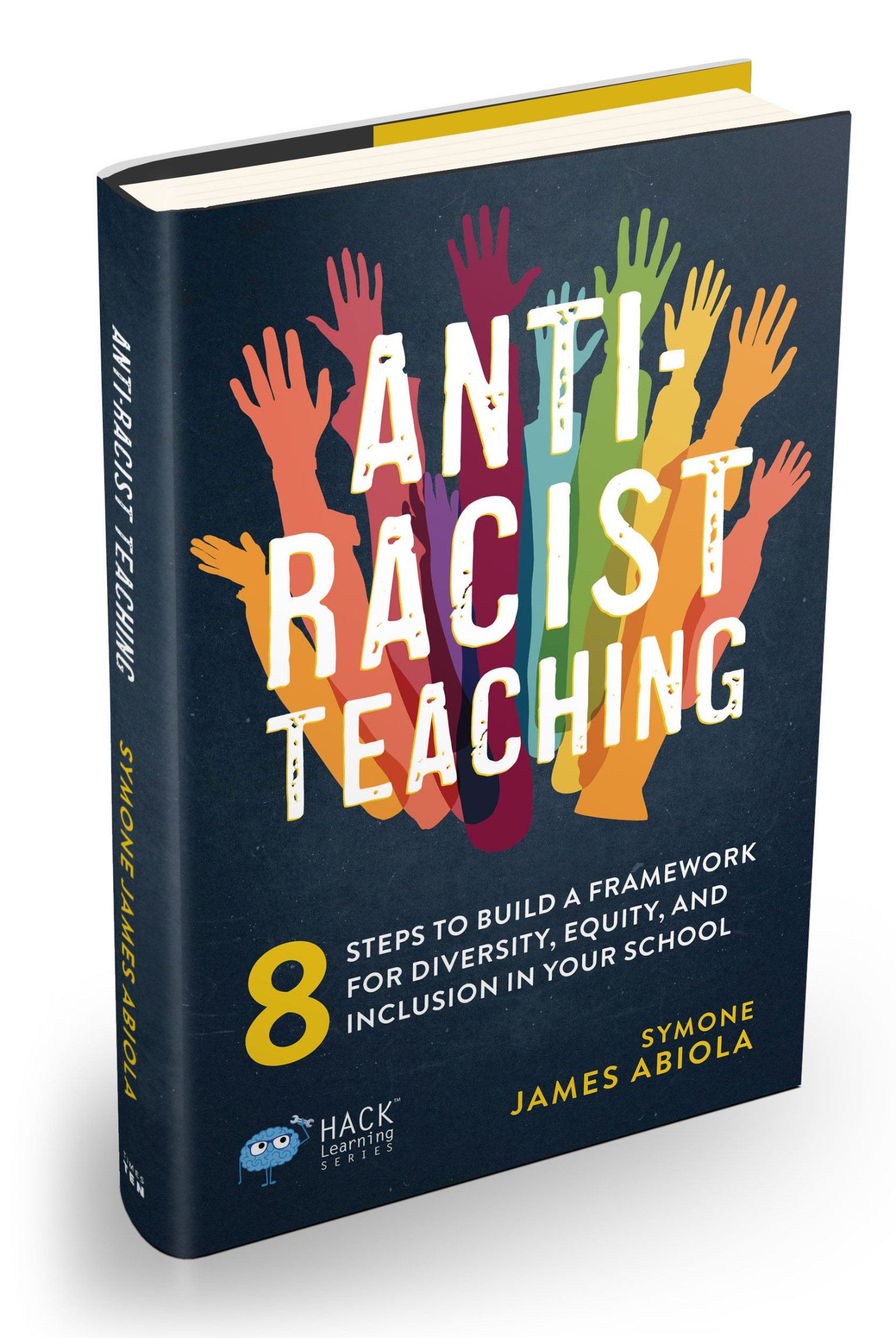
In her book, Symone Abiola outlines practical, actionable steps to address these key areas. She reminds us that as educators, addressing racial inequities isn't just a "social goal"—it is our highest responsibility to the students and families we serve.
We owe it to our students to provide an empowering educational experience that doesn't just teach them to survive the world as it is, but prepares them to lead the world as it should be.
“Believing that racism is wrong is not enough. We must take actionable steps to address racial inequities within schools.”
Are you ready to take the next step in your school’s journey?
Resource