Practical Strategies to Help You Reset School Discipline
Oct 09, 2026
A discipline reset starts with what adults do next
Most school leaders know when their discipline system needs a reset.
Referrals are rising. The same students keep showing up in the office. Teachers feel unsupported. Families feel frustrated. Students experience discipline as something done to them, not something that helps them learn a better way forward.
A reset does not mean removing expectations. It means building a system that teaches behavior, repairs harm, and creates consistency across classrooms.
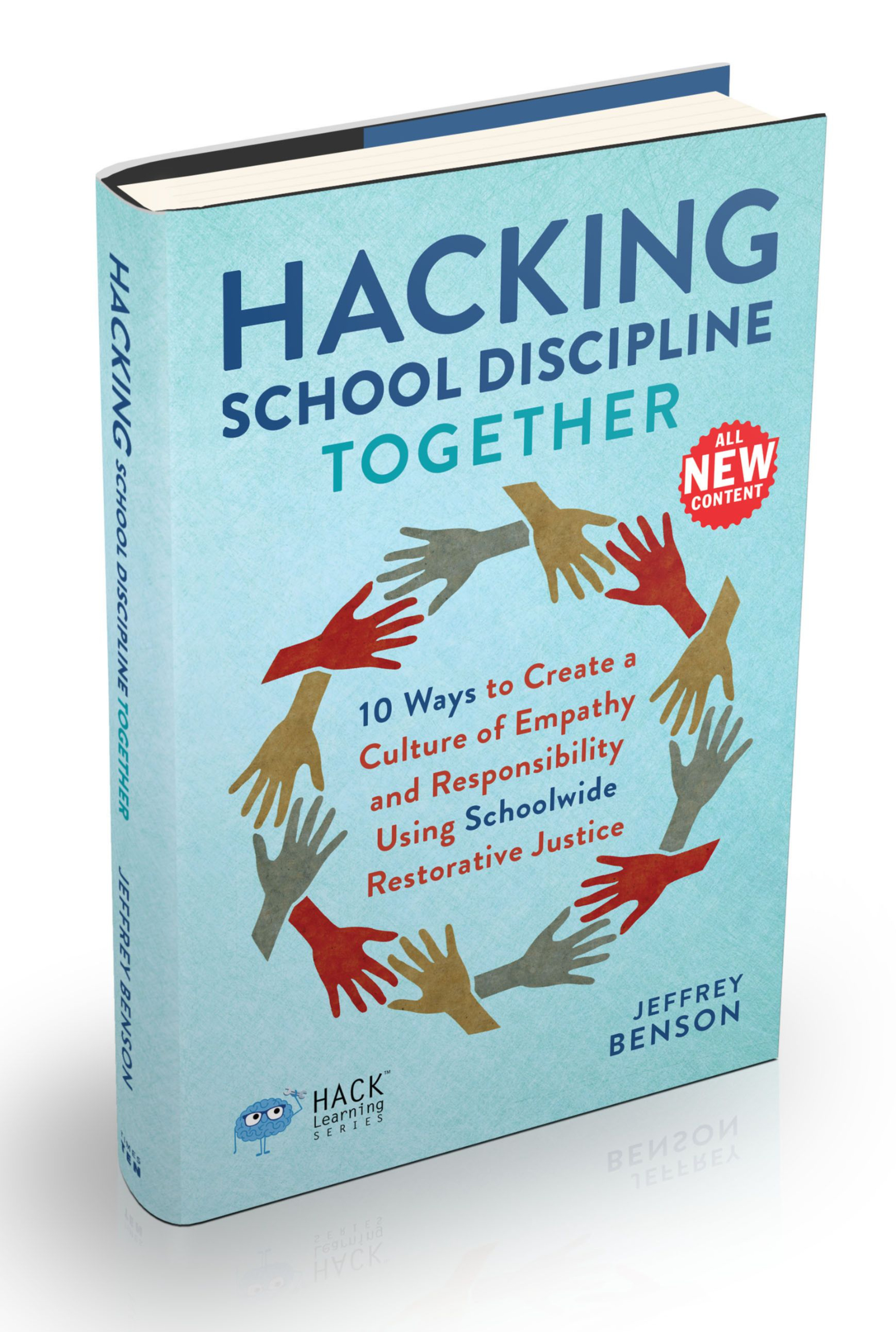
Hacking School Discipline Together offers practical strategies for leaders who want discipline to be more than a list of consequences. It helps schools rethink how adults respond to behavior, how students are brought back into the community, and how the whole staff can move in the same direction.
Start with the purpose of discipline
Before changing forms, referral codes, or consequence ladders, leaders need to clarify the purpose of discipline.
Is the goal to remove students, or to help them return better prepared?
Is the system designed to punish misbehavior, or to teach the skills students are missing?
Hacking School Discipline Together pushes schools to examine the beliefs behind their practices. That matters because discipline systems communicate what a school values. Students notice whether adults respond with control, curiosity, consistency, or care.
A practical reset begins with a simple leadership question:
What should students learn from our discipline process?
When the answer is clear, decisions become more aligned. Office referrals, parent communication, restorative conversations, classroom responses, and re-entry plans can all support the same goal.
Move from reaction to reflection
Traditional discipline often moves quickly from incident to consequence. A student disrupts class, refuses a direction, or gets into conflict. Adults respond. A consequence is assigned. The student returns, often without much changing.
That cycle is familiar. It is also limited.
One of the most useful shifts in Hacking School Discipline Together is the move toward reflection. Students need structured opportunities to understand what happened, who was affected, and what needs to happen next.
For school leaders, this means creating routines that make reflection part of the discipline process, not an optional add-on.
Useful reflection questions include:
- What happened?
- What were you thinking or feeling at the time?
- Who was affected by your actions?
- What do you need to do to make things right?
- What support do you need to make a better choice next time?
These questions do not excuse behavior. They make accountability more concrete.
Build consistency without making every response identical
School leaders often hear that teachers want consistency. That usually does not mean every student should receive the exact same consequence for every behavior.
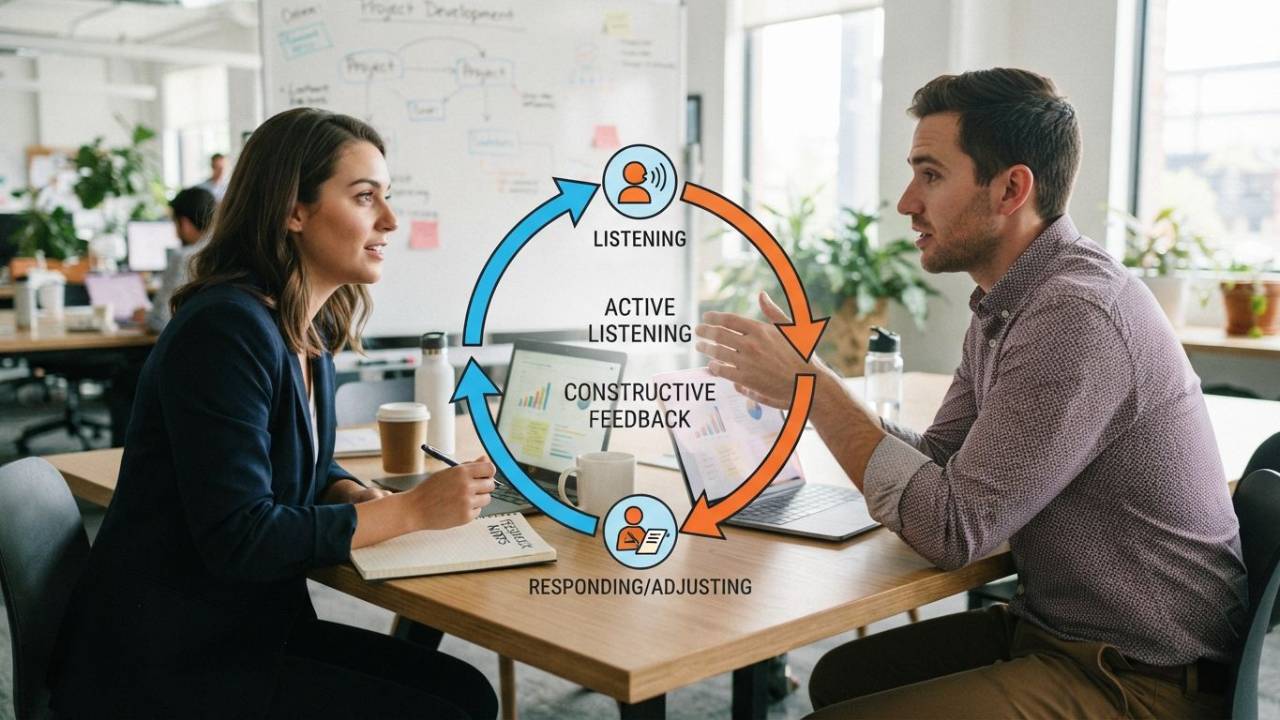
It means adults need shared expectations, shared language, and shared processes.
Hacking School Discipline Together helps leaders think about consistency as a system issue. Staff need to know what behaviors are handled in the classroom, what behaviors require support, and what happens after a referral is made.
A practical discipline reset can include:
- Clear classroom-managed and office-managed behavior definitions
- Common language for redirection and repair
- A shared process for documenting incidents
- Agreed-upon re-entry steps after removal from class
- Regular review of discipline data by grade level, student group, and behavior type
Consistency does not remove professional judgment. It gives adults a common framework so students are not navigating a different discipline system in every room.
Make re-entry part of the system
Sending a student out of class may stop the behavior in the moment. It does not guarantee the student can return successfully.
Re-entry is where many discipline systems break down.
A student leaves class after conflict, spends time in the office, and later returns with no conversation, no repair, and no plan. The teacher may still feel disrespected. The student may feel embarrassed or angry. The next incident becomes more likely.
Hacking School Discipline Together points leaders toward a more intentional approach. Re-entry should help restore the student to the learning environment and restore the relationship with the adult or peers affected.
A simple re-entry routine can include:
- A brief adult-student check-in before the student returns
- A clear statement of what needs to happen next
- A repair conversation when harm occurred
- A plan for what the student will do if the situation escalates again
- A follow-up later in the day or week
The goal is not to make re-entry complicated. The goal is to stop treating return to class as automatic when repair is still needed.
Use data to find patterns, not just problems
Discipline data is often used after things get worse. Referrals increase. Suspensions rise. A concern becomes visible.
A stronger system uses data earlier and more often.
School leaders can use the ideas in Hacking School Discipline Together to look beyond totals and ask better questions.
- Which behaviors are increasing?
- Where are they happening?
- When are they happening?
- Which students are repeatedly referred?
- Which classrooms or common areas need more support?
- Are outcomes different by race, disability, language, gender, or grade level?
Data should not be used to blame students or staff. It should help leaders see where the system needs adjustment.
Sometimes the solution is more adult presence in a hallway. Sometimes it is reteaching expectations after lunch. Sometimes it is coaching for a classroom routine. Sometimes it is a deeper look at bias, belonging, or unmet student needs.
The point is to respond to patterns, not just individual incidents.
Support teachers as part of the discipline reset
No discipline reset works if teachers feel the entire burden stays on them.
School leaders need to create conditions where teachers are supported, not judged, when behavior challenges arise.
Hacking School Discipline Together is useful because it frames discipline as shared work. Classroom teachers, administrators, counselors, support staff, students, and families all have roles to play.
Leaders can support teachers by:
- Providing clear response options before behavior escalates
- Offering coaching on de-escalation and restorative conversations
- Following up after referrals so teachers know what happened
- Protecting time for team problem-solving
- Recognizing when a student needs additional support beyond classroom strategies
A reset should reduce confusion. Teachers should know what to do first, when to ask for help, and how the system will respond.
Keep accountability at the center
Restorative and relationship-centered discipline is sometimes misunderstood as being soft on behavior.
That is not the work.
A stronger discipline system holds students accountable in ways that are specific, teachable, and connected to the harm caused. Accountability is not just serving a detention or sitting out of school. It is understanding the impact of a choice and taking steps to repair it.
That kind of accountability can be harder than a traditional consequence. It asks students to reflect, communicate, listen, and act differently.
For leaders, the challenge is to build a system where accountability is predictable and meaningful. Students should know that behavior has consequences. They should also know that adults will help them learn from those consequences.
Get started
A discipline reset does not happen through a new form or a single staff meeting.
It happens when adults agree on the purpose of discipline, teach expectations clearly, respond consistently, repair harm, and use data to improve the system.
Hacking School Discipline Together gives school leaders a practical starting point for that work. It offers a way to think about discipline that is firm, supportive, and focused on long-term change.
Find Hacking School Discipline Together in our library.