Beyond the Principal’s Office: 5 Bold Strategies for Reimagining School Culture
Mar 22, 2026
The traditional "top-down" model of school leadership is more than just outdated—it’s exhausting. For decades, the image of the school leader was one of an infallible pilot, charting a course in isolation and ensuring everyone stayed in their seats. But in a modern educational landscape defined by rapid change and diverse needs, that model is cracking.
Today’s educators and students don't need a manager; they need an environment that breathes agency, trust, and connection. They need a culture where the "human" element is prioritized over the "administrative" one.
If you're ready to move past the status quo and build a school that people actually want to run toward on Monday mornings, here are five transformative strategies to reshape your school’s DNA.
1. Transform Yourself from Leader to Lead Learner
The most powerful thing a leader can say isn't "I have the answer," but "I’m still learning, too." When you position yourself as the Lead Learner, you shift the power dynamic of the entire building. You aren't the person with the most knowledge; you are the person with the most curiosity.
In many schools, professional development (PD) feels like something done to teachers by an administration that already "knows better." To break this, you must be in the trenches.
- The Move: Don't just "introduce" the guest speaker and then retreat to your office to answer emails. Sit in the front row. Take notes. Ask the "silly" questions that others might be afraid to ask.
-
The Impact: When staff see the person in charge grappling with a new technology or a complex pedagogical shift, it de-stigmatizes the struggle. It fosters a culture of psychological safety where growth is valued over the appearance of perfection.
2. Amplify Individual Staff Needs While Maintaining a Collaborative Vision
A "one-size-fits-all" approach to staff development usually fits no one. Every school needs a North Star—a shared vision—but the path each teacher takes to get there should be as unique as their classroom.
If your vision is "Increasing Student Literacy," forcing every teacher to use the exact same three strategies regardless of their subject or style is a recipe for resentment.
-
The Move: Shift toward Inquiry-Based PD. Define the school’s collective goal, but allow teachers to choose a specific "Problem of Practice" to solve that aligns with it. For example, a math teacher and an art teacher might both be working toward literacy, but their tactical approaches will (and should) look vastly different.
-
The Impact: This honors the professional autonomy of your staff. When teachers feel seen as experts in their specific niche, they are far more likely to contribute to the collective momentum of the school.
3. Employ Unique Strategies to Break Down the Walls Between Home and School
Standard newsletters and twice-yearly parent-teacher conferences are often defensive maneuvers—they provide information, but they don't build community. Often, the only time a parent hears from the school is when something is wrong. We need to flip that narrative to create a true partnership.
-
The Move: Think outside the "Open House" box. Try "Positive Home Visits"—short, scheduled visits early in the year that are strictly about building rapport, not discussing grades or behavior. Alternatively, host "Community Showcases" where local business owners, parents, and retirees act as "sharks" or mentors for student projects.
-
The Impact: By physically and metaphorically opening the doors, you transform the school from a guarded fortress into a community hub. When parents feel like partners rather than "customers" or "complainants," the support system for every student doubles in strength.
4. Empower Students and Staff to Own Their Space and Make Teachers Better
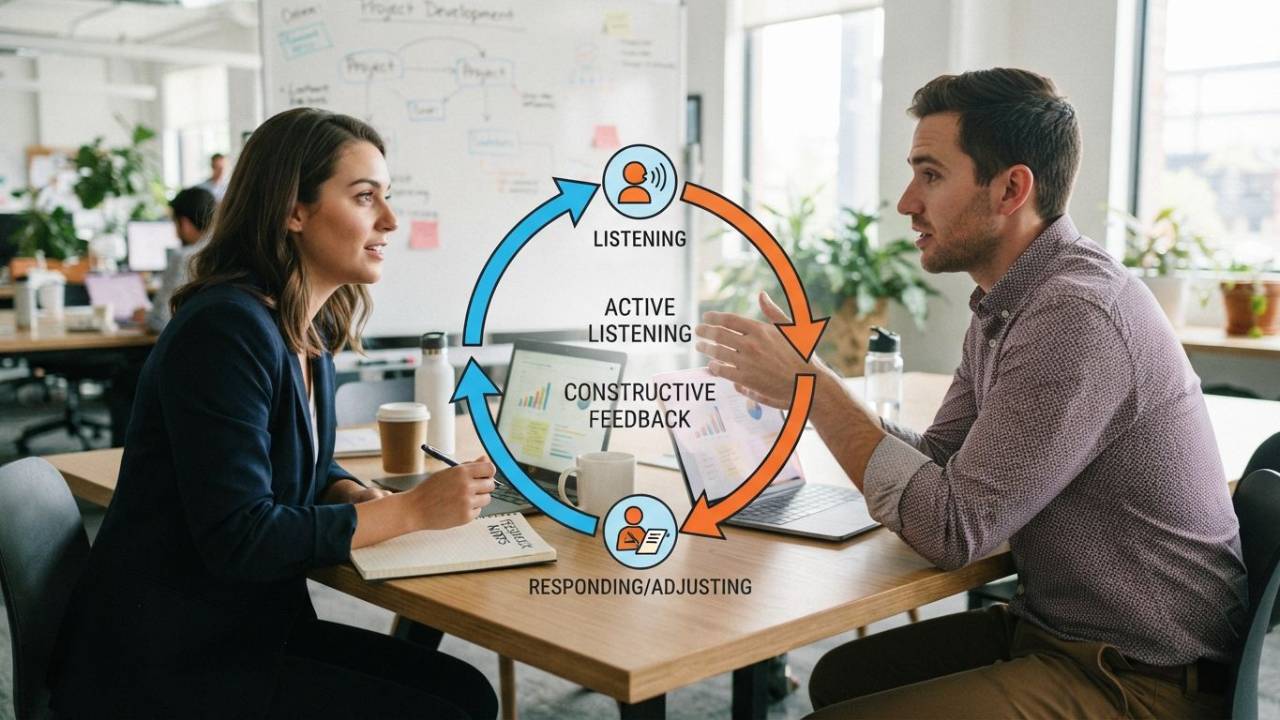
Ownership is the antidote to apathy. When students and staff have a literal and figurative "say" in their environment, engagement skyrockets. This goes beyond choosing the color of the hallway paint; it’s about creating feedback loops that actually change how the school functions.
-
The Move: Establish a "Student Advisory Board" that meets monthly with the leadership team. More importantly, encourage a culture of Peer-to-Peer Coaching among staff, where the goal isn't evaluation, but "making each other better." Encourage students to give "Student Voice" surveys after a unit—not to criticize, but to tell teachers, "This is how I learn best."
-
The Impact: When students realize their feedback can actually change a lesson plan, they stop being passive consumers of education and start being active participants. When staff feel empowered to coach one another, the "lonely island" effect of teaching disappears.
5. Create a School Culture Where “Yes” and “Trust” are the Default
The "Hidden Curriculum" of many schools is fear—fear of breaking a rule, fear of a bad observation, or fear of trying something new and failing. In these environments, "No" is the easiest answer. To innovate, we must make "Yes" and "Trust" the baseline.
-
The Move: Simplify the "permission" process. If a teacher has a wild idea for a cross-curricular project or a new way to organize their classroom space, start with, "Yes, and how can we make it work?" instead of "Let me check the handbook."
-
The Impact: Trust is a mirror. When you trust your staff as professionals, they treat their roles with a higher level of professional responsibility. This creates a "safe-to-fail" environment where the next great educational breakthrough can actually happen.
The Bottom Line: You aren't just running a building or managing a budget; you're cultivating an ecosystem. When you lead by learning, personalize growth, and trust by default, you don't just improve test scores—you change the lived experience of everyone who walks through your doors.
RESOURCES
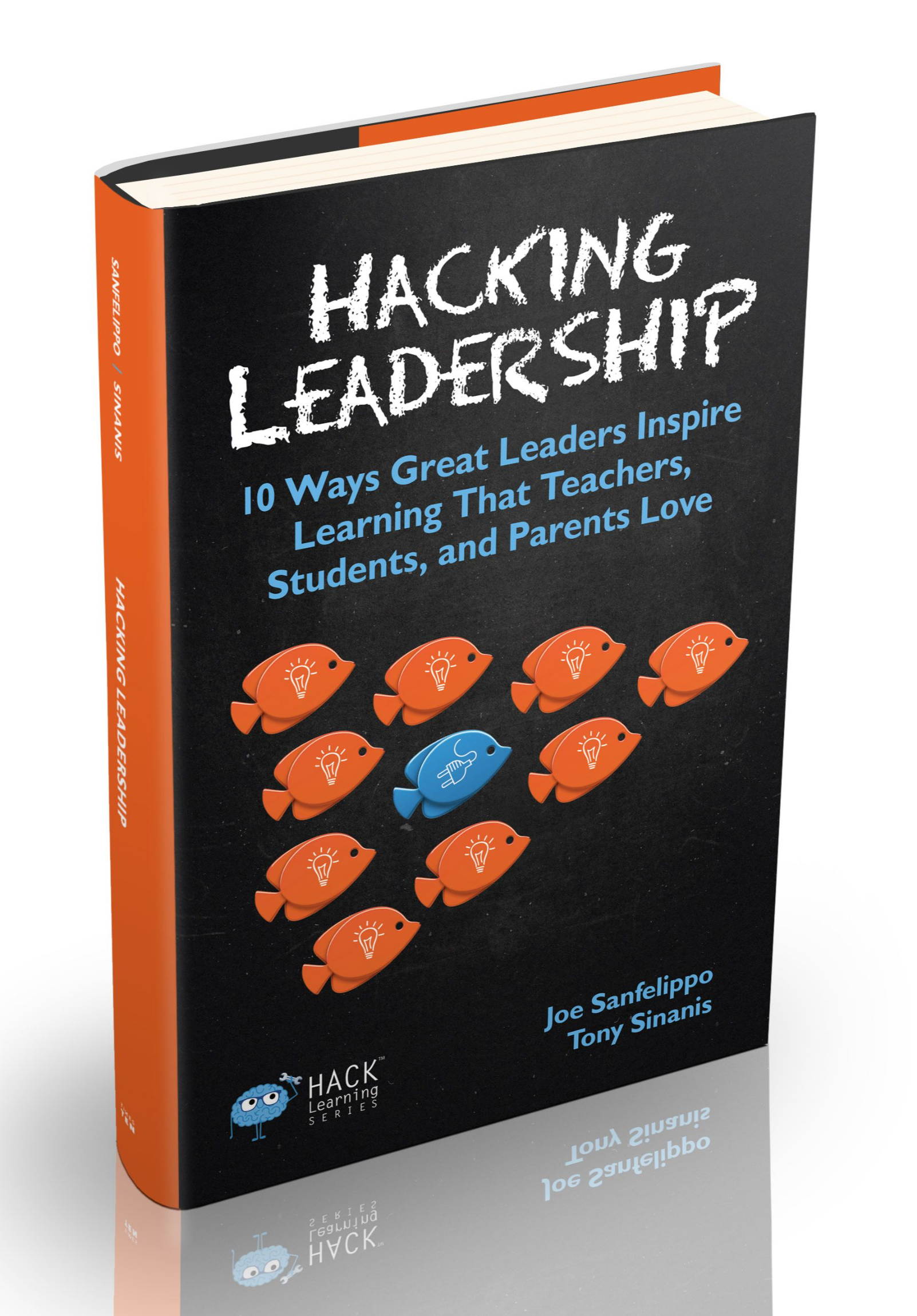
This post is adapted from concepts in Hacking Leadership, by Joe Sanfelippo and Tony Sinanis, with permission from Times 10 Publications.
Main post photo by Moe Magners, via Pexels