From Friction to Flow: Re-Engineering Your School Routines for Better Behavior
Mar 23, 2026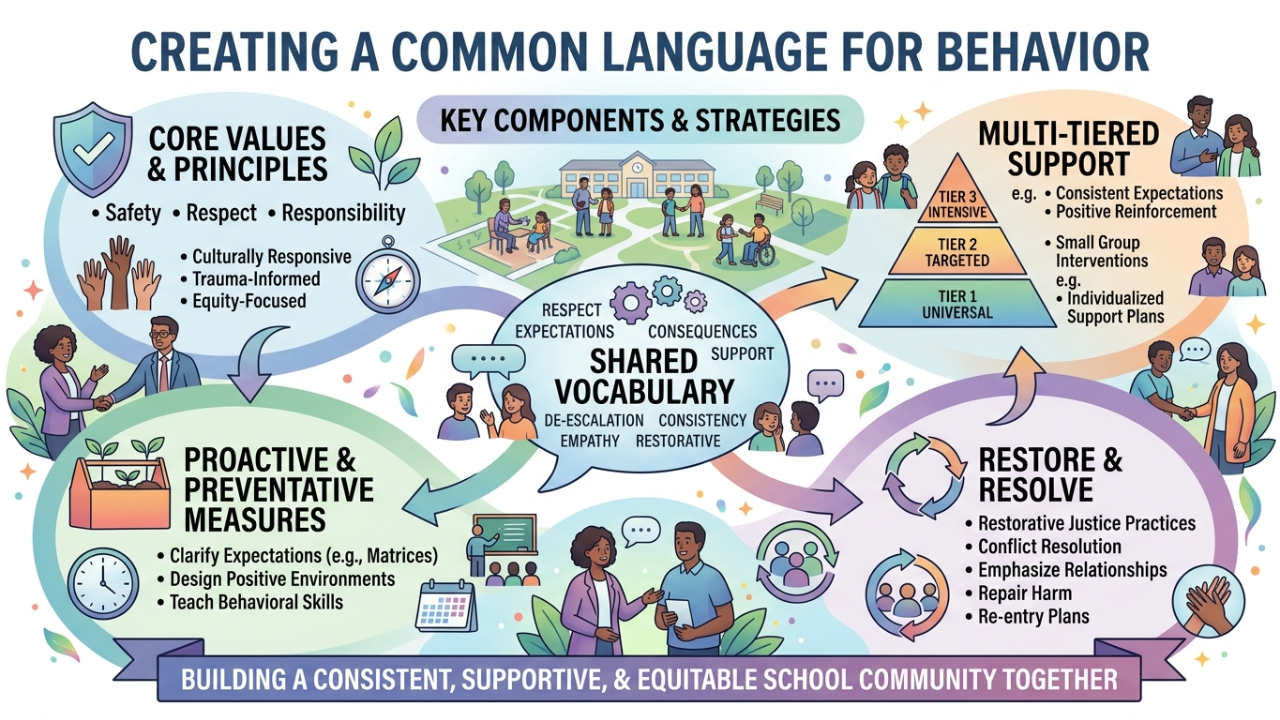
The traditional "command and control" model of school discipline is more than just ineffective—it’s a cycle of burnout. For decades, the standard response to misbehavior has been reactive: a student breaks a rule, a consequence is issued, and the file is closed. But in a modern classroom, that cycle doesn't change behavior; it only manages it until the next explosion.
Today’s students and educators don't need more "policing"; they need a structural overhaul that prioritizes restoration over retribution. We need a culture where discipline isn't something we do to students, but a process we navigate with them.
If you’re ready to stop putting out fires and start building a fireproof culture, here are five transformative strategies to fix the structural flaws in your school’s discipline DNA.
1. Repair the Structural Flaws in Your Routines
Too often, we label a student as "defiant" when they are actually tripping over a poorly designed system. If a transition is chaotic or a cell phone policy is inconsistently enforced, we are essentially setting a trap for our most impulsive students.
The Move: Conduct a "friction audit" of your daily routines. Identify the moments where most behavioral referrals happen. Is it the hallway during passing periods? The first five minutes of class? Re-engineer those spaces to make "doing the right thing" the path of least resistance.
The Impact: When you fix the environment, you stop blaming the child for systemic friction. This shifts the focus from punishing non-compliance to supporting successful habits.
2. Take Positive Action During the Struggle
When a student is in the middle of a behavioral crisis, the instinct is to shut them down. However, high-stress moments are actually the most critical times for connection. Taking positive action doesn't mean "letting them off the hook"; it means de-escalating the nervous system so the brain can actually learn.
The Move: Replace "Why are you doing that?" with "What do you need right now?" Use proactive strategies like "The Two-Minute Connection"—spending two minutes for ten days talking to a struggling student about anything except their behavior.
The Impact: By humanizing the student during their hardest moments, you preserve the relationship. You move from being an adversary to being a coach, which is the only way to influence long-term change.
Look Inside
3. Clarify the Administrator’s Role in Significant Misbehavior
Teachers often feel abandoned when a student returns from the office "with a lollipop," while administrators feel like they are being used as a dumping ground for minor issues. We must clarify that the administrator's role isn't just to "punish," but to facilitate a resolution that the classroom cannot handle alone.
The Move: Create a "Discipline Tier Matrix" that clearly defines what is handled in the classroom and what goes to the office. More importantly, ensure the administrator’s primary role is to lead the restorative process—not just the punitive one.
The Impact: This eliminates the "us vs. them" mentality between teachers and leadership. When the role of the office is clear, teachers feel supported and administrators can focus on the deep work of behavioral intervention.
4. Master the Re-Entry: The Critical Step After a Conflict
The most overlooked part of school discipline is the "bridge" back to the classroom. Often, a student is suspended or removed, and then simply dropped back into their seat the next day as if nothing happened. This creates a "shame-gap" that almost guarantees a repeat performance.
The Move: Implement mandatory Re-Entry Circles or "Reset Meetings." Before the student returns to the desk, they must have a brief, mediated conversation with the teacher to acknowledge what happened, what will be different, and—crucially—to hear that they are still a valued member of the class.
The Impact: This heals the rupture in the relationship. It tells the student, "I didn't like your behavior, but I still want you here." It prevents the simmering resentment that fuels chronic misbehavior.
5. Align the Whole Staff to Pull in One Direction
Discipline fails when a student gets "Grace" in Room 101 and "The Hammer" in Room 102. If staff aren't aligned on the "why" and "how" of behavior, students will naturally find the cracks in the foundation.
The Move: Establish a "Common Language" for behavior. Whether it’s how you handle hall passes or how you respond to back-talk, the entire staff—from the veteran teacher to the cafeteria monitor—needs to be trained on the same restorative philosophy.
The Impact: Consistency is the greatest form of kindness we can offer students. When the expectations and responses are the same everywhere in the building, student anxiety drops and collective efficacy rises.
The Bottom Line: Discipline isn't a series of isolated events; it’s an ecosystem of safety and respect. When we fix our structures, act with empathy, and align our staff, we don't just "stop" bad behavior—we build a community where students feel safe enough to be their best selves.
RESOURCES
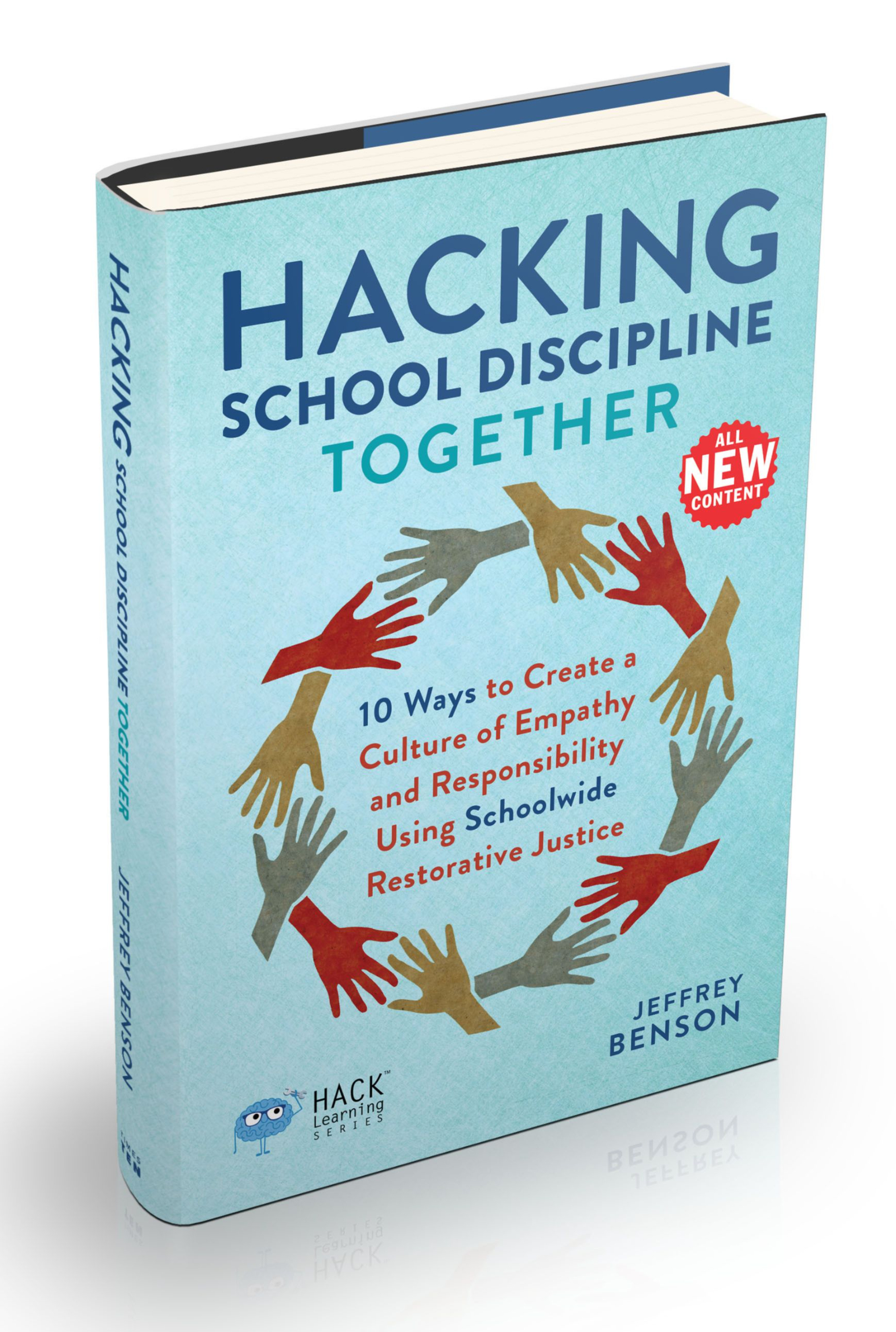
Some of this post is adapted from concepts in Hacking School Discipline Together, by Jeffrey Benson, with permission from Times 10 Publications.
Beyond the Punitive, on The Blog