From Compliance to Curiosity: Rethinking Student Motivation
Mar 14, 2026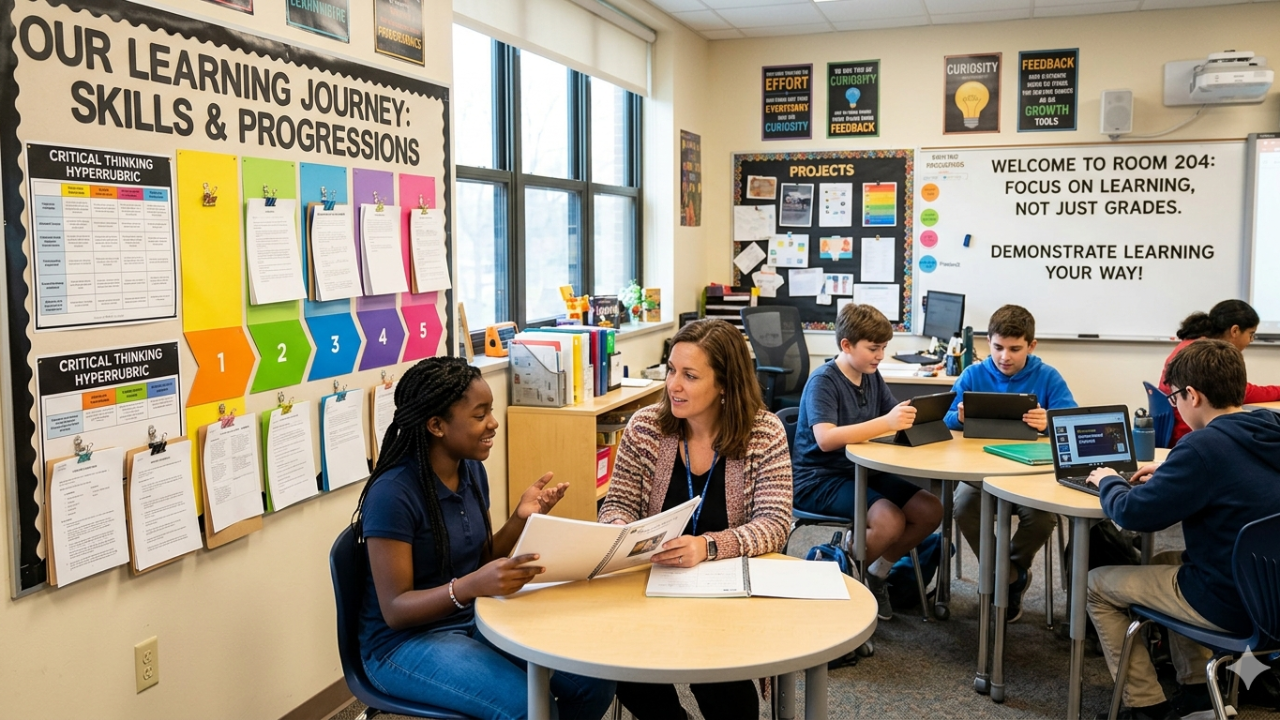
In a traditional classroom, "motivation" is often just a polite word for "compliance." We offer points like treats and use grades like a stick, wondering why students seem more interested in the final percentage than the actual concepts.
But what if we shifted the focus from the scoreboard to the craft? By redesigning our assessment architecture, we can move students away from asking "Is this for a grade?" and toward asking "What can I do next?"
Here are four transformative shifts to reignite that intrinsic spark.
1. Rearrange the Grade Book for Learning
Standard grade books are often chronological graveyards of past assignments. To spark motivation, we need to rearrange the grade book by learning goals rather than by task.
When a grade book reflects mastery of skills instead of a list of worksheets, it opens doors. Students no longer feel trapped by a "0" from three weeks ago; instead, they see opportunities to demonstrate learning in new ways. This flexibility allows them to tap into their passions and interests—perhaps submitting a podcast or a coded simulation—to prove they’ve met the standard.
2. Level the Playing Field with HyperRubrics
Motivation dies when a student feels a task is impossible or, conversely, beneath them. This is where learning progressions and HyperRubrics (as championed by Jennifer Gonzalez at Cult of Pedagogy) change the game.
Unlike traditional rubrics that just list "Good/Better/Best," a HyperRubric provides:
-
Clear access points: Every student can find their current level on the map.
-
A path forward: It shows exactly what the next step of growth looks like.
-
Resources linked within: Instructional videos or examples are embedded right in the rubric.
When students see a clear, navigable path for growth, the "I can't do this" mentality transforms into "I'm currently here, and I know how to get there."
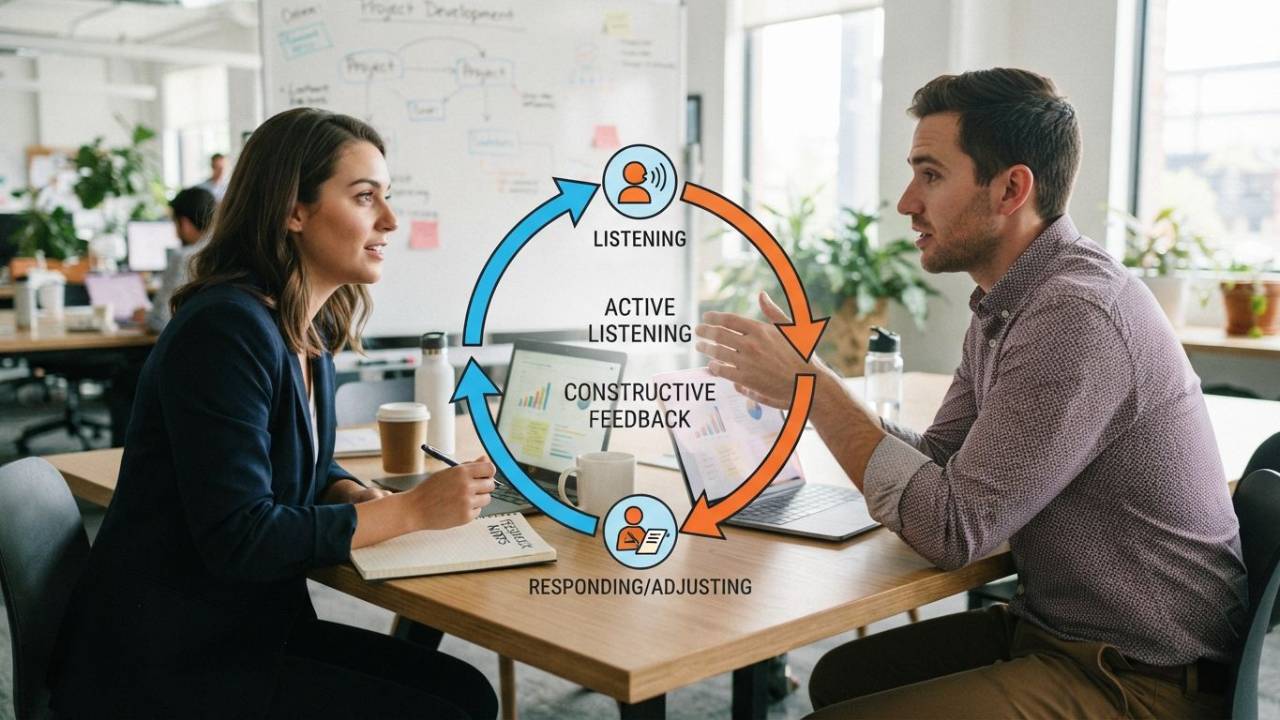
3. Turn Feedback into Data Trends
We’ve all seen it: a student glances at the grade and tosses the feedback-heavy paper in the recycling bin. To fix this, we need a systematic feedback loop.
Instead of viewing feedback as a one-time correction, help students organize it to look for meaningful trends and patterns. By tracking feedback over time—perhaps in a digital portfolio or a simple growth log—students gain agency.
Look inside
They start to see, for instance, that "organization" is their recurring hurdle, giving them a specific, actionable target for the future rather than a vague sense of "not being good at writing."
4. Humanize the Process with Learning Conferences
Data and rubrics are powerful, but they lack a heartbeat. Learning conferences add the essential humanizing aspect to assessment.
These 1-on-1 check-ins allow you to:
-
Hear the student's "why" behind their work.
-
Identify personal barriers that a paper-and-pencil test would miss.
-
Co-create goals that feel personal rather than dictated.
When a student realizes their teacher sees them as a person in progress rather than a data point on a spreadsheet, the relationship shifts. Trust grows, and with it, the willingness to take academic risks.
The Bottom Line: Motivation isn't something we do to students; it’s an environment we create for them. When we prioritize growth over points, we don't just get better work—we get more engaged humans.
Kickstarting the Conversation: 10 High-Impact Conference Questions
The goal of a learning conference is to shift the power dynamic. Instead of you telling the student how they did, you are inviting them to narrate their own progress.
Here are ten questions categorized by the "vibe" of the conversation you want to lead:
To Establish Agency & Reflection
-
"If you were teaching this to someone else, which part would you be most excited to show them?" (Identifies passions and strengths).
-
"What’s one thing you’ve learned during this unit that isn't reflected in the final product?" (Values the process over the outcome).
-
"Looking at your feedback trends, what is the 'boss level' challenge you’re trying to beat right now?" (Gamifies growth and identifies patterns).
To Identify Barriers & Support
-
"Where did you feel the most 'stuck' this week, and how did you get yourself moving again?" (Normalizes struggle and highlights problem-solving).
-
"On a scale of 1 to 10, how much does this assignment actually feel like you?" (Checks for personal relevance and interest).
-
"What is one thing I could change about my feedback that would make it more helpful for you?" (Builds trust and models receiving feedback).
To Goal-Set for the Future
-
"Looking at the HyperRubric, what’s the one specific move you need to make to get to the next level?" (Focuses on the immediate learning progression).
-
"If we wiped the grade book clean today, what skill would you want to prove to me first?" (Reduces grade anxiety and resets the focus on learning).
-
"What’s a 'small win' you’ve had recently that you’re proud of?" (Builds momentum for discouraged learners).
-
"How can I best support you in the next three days to help you reach your goal?" (Positions the teacher as a partner, not a judge).
A Pro-Tip for the "Humanizing" Aspect:
Try to sit next to the student rather than across a desk. It’s a subtle physical cue that you are looking at the work together as collaborators.
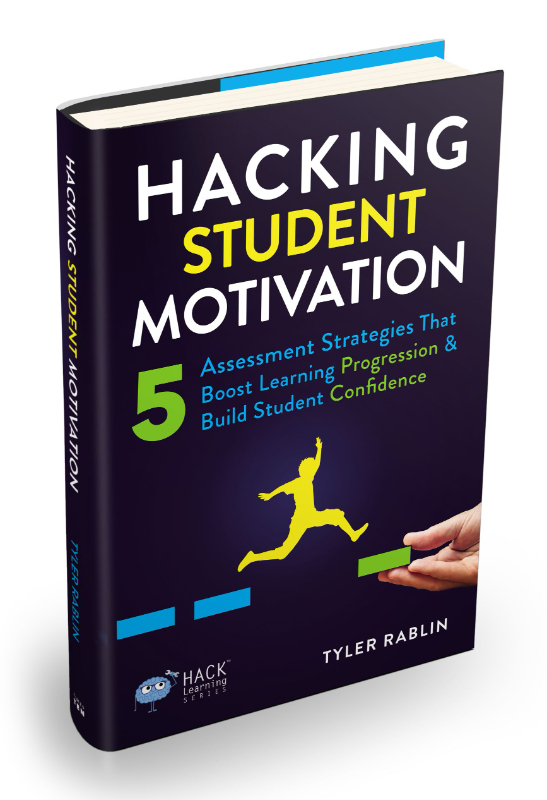
Resources: Some strategies in this post are based on concepts in Hacking Student Motivation by Tyler Rablin, with permission from Times 10 Publications. Learn more.